
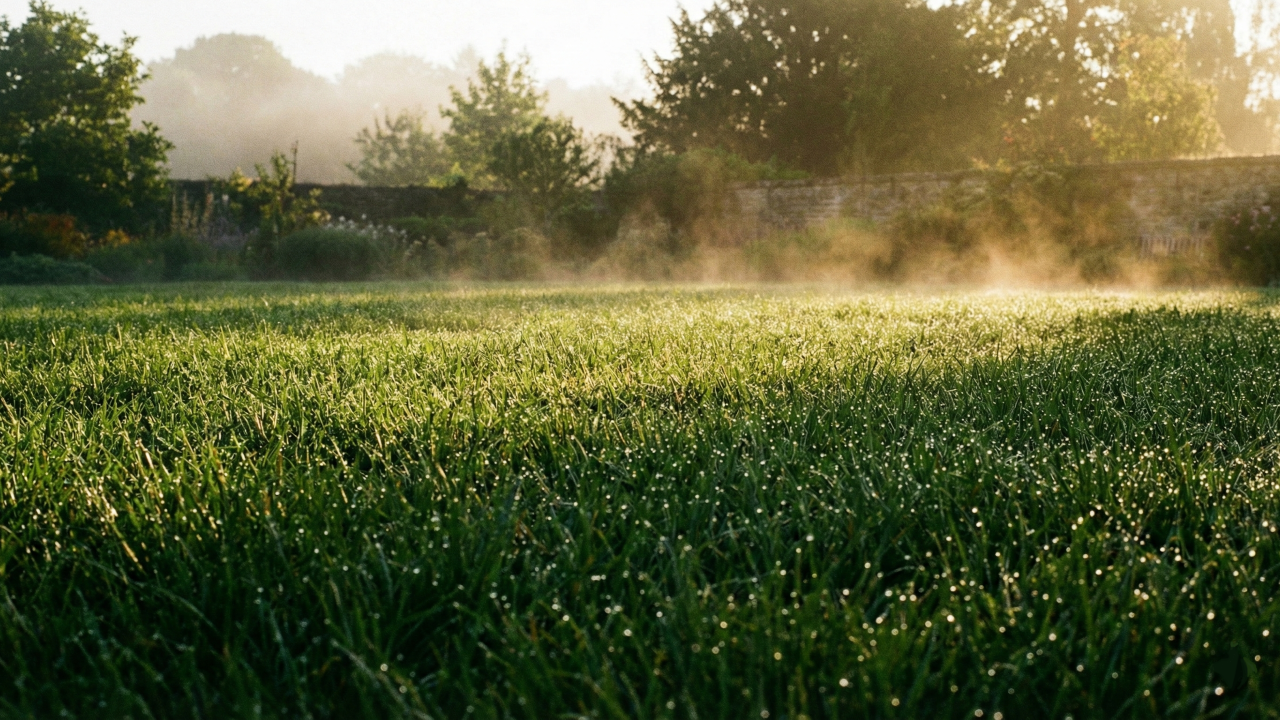
For many homeowners, lawn care is a simple weekend routine of mowing and occasional watering. However, achieving a golf-course quality lawn requires a shift in perspective from simple maintenance to the application of agronomy. Agronomy is the science of soil management and crop production. When applied to a residential lawn, it elevates the practice of gardening to a precise discipline involving chemistry, biology, and physics. Understanding the scientific principles behind turfgrass growth allows you to make informed decisions that result in a resilient, emerald-green landscape that can withstand environmental stress.
Understanding The Science Of Soil Composition
The foundation of any successful agronomic program is the soil. It is not merely dirt but a living ecosystem that supports root development and nutrient uptake. Agronomists analyze soil based on texture, structure, and chemistry. Texture refers to the balance of sand, silt, and clay. A sandy soil drains quickly but holds few nutrients, while clay soil holds nutrients well but is prone to compaction and poor drainage. Loam is the ideal balance, offering proper drainage and nutrient retention.
Chemical balance is equally critical. The pH level of your soil determines the availability of nutrients to the grass plant. Most turfgrass varieties thrive in a slightly acidic pH between 6.0 and 7.0. If the soil is too acidic or too alkaline, essential macronutrients become chemically locked and unavailable to the roots, regardless of how much fertilizer you apply. Conducting a professional soil test is the first step in any agronomic plan, as it provides a roadmap for necessary amendments such as lime or sulfur.
Selecting The Correct Turfgrass Species
Agronomy emphasizes the principle of “right plant, right place.” Grass species are genetically predisposed to thrive in specific climatic zones. Planting a cool-season grass like Kentucky Bluegrass in a sweltering southern climate guarantees failure, just as planting warm-season Bermuda grass in the frigid north will result in dormancy for most of the year.
Beyond climate, light availability is a primary factor. Photosynthesis is the engine of grass growth. Shade-tolerant varieties such as fescue are engineered to perform better under tree canopies, whereas Zoysia and Bermuda generally demand full sun. A true agronomist evaluates the microclimates within a single yard, acknowledging that the grass species chosen for the sunny front yard may need to differ from the species planted in the shaded backyard.
The Principles Of Nutrient Management
Fertilization is often misunderstood as simply feeding the grass. In reality, you are replenishing the soil’s nutrient bank. The three primary macronutrients—Nitrogen, Phosphorus, and Potassium—play distinct biological roles. Nitrogen drives vegetative growth and chlorophyll production, giving the grass its green color. Phosphorus is essential for energy transfer and root development, which is why it is crucial for new sod or seed. Potassium is the internal regulator, managing water pressure within the plant cells and increasing resistance to cold, heat, drought, and disease.
An agronomic approach avoids the “feast or famine” cycle caused by synthetic, quick-release fertilizers. Instead, it favors slow-release nitrogen sources that provide a steady diet to the plant, reducing surge growth and minimizing the risk of nutrient runoff into local waterways.
Precision Water Management And Irrigation
Water is the solvent that transports nutrients from the soil into the plant tissue. However, improper watering is the leading cause of turf failure. Shallow, frequent watering encourages roots to stay near the surface, making the lawn susceptible to drought and heat stress. Deep, infrequent watering trains roots to dive deep into the soil profile in search of moisture.
Technology plays a significant role in modern agronomy. Reliance on guesswork often leads to overwatering, which displaces oxygen in the soil and promotes fungal pathogens. utilizing a smart irrigation system allows for the integration of local weather data and soil moisture readings. This ensures that the turf receives the exact amount of water required to replace what is lost through evapotranspiration, optimizing plant health while conserving a vital resource.
Cultural Practices: Mowing And Aeration
Mowing is the most frequent cultural practice and the most traumatic for the plant. Every cut is an injury that the grass must repair. Agronomy dictates the “one-third rule,” which states that you should never remove more than one-third of the leaf blade in a single mowing. Scalping the lawn forces the plant to redirect energy from root growth to shoot regeneration, weakening the entire system. Furthermore, maintaining a sharp mower blade is non-negotiable; a dull blade tears the tissue, leaving a jagged edge that is slow to heal and prone to disease entry.
Soil compaction is another silent enemy. Over time, gravity, rainfall, and foot traffic compress the soil particles, eliminating the pore space needed for oxygen and water movement. Core aeration is the mechanical process of removing plugs of soil to alleviate this density. It reintroduces air to the root zone and stimulates new root growth, effectively rejuvenating the biological engine of the lawn.
Integrated Pest Management Strategies
A healthy, dense turf is the best defense against weeds and pests. Agronomists utilize Integrated Pest Management, a strategy that prioritizes threshold levels and biological controls over blanket chemical applications. Weeds are often indicators of underlying soil issues. For example, clover often indicates low nitrogen levels, while nutsedge suggests drainage problems. Addressing the underlying agronomic deficiency is a more permanent solution than reliance on herbicides.
When chemical intervention is necessary, it is targeted and specific. This minimizes the impact on beneficial insects and soil microbes that contribute to nutrient cycling.
Managing The Total Landscape Environment
Agronomy does not exist in a vacuum; it interacts with the hardscapes and recreational features of the property. The health of the lawn is often influenced by adjacent activities. For instance, the runoff from cleaning chemicals or the physical traffic from pool maintenance can stress the turf edges.
Modern maintenance relies on automation to reduce human error and physical stress on the landscape. Just as a robotic mower maintains a consistent height of cut without the weight of heavy machinery, using a cordless pool vacuum ensures that the swimming area is maintained without the need for dragging heavy hoses across the delicate turf. Keeping the surrounding hardscapes clean prevents debris from blowing onto the lawn, which can smother grass blades and create conditions favorable for decay. Viewing the yard as a holistic system ensures that maintenance in one area does not detrimental impacts on the agronomic health of the turf.
Conclusion
Lawn agronomy is the bridge between nature and science. It moves beyond the cosmetic appearance of the grass to address the physiological needs of the plant and the chemical balance of the soil. By selecting the right species, managing soil fertility, optimizing irrigation, and employing sound cultural practices, homeowners can cultivate a lawn that is not only visually stunning but also ecologically robust. This scientific approach ensures that the lawn remains a sustainable and thriving asset to the property for years to come.